Best 6 Days Lake Manyara, Serengeti, Ngorongoro Crater and Tarangire Safari in Tanzania
This 6-Day Lake Manyara, Serengeti, Ngorongoro Crater and Tarangire Safari in Tanzania takes you through 4 of Northern Tanzania’s top safari parks, offering an unforgettable experience in Africa. The itinerary covers Lake Manyara National Park (1 night inside or near the park), Serengeti National Park (2 nights within the park), the spectacular Ngorongoro Crater (1 night inside or near the conservation area), and Tarangire National Park (1 night inside or near the park). An additional overnight stay in Arusha can be included on your arrival day before the safari begins depending on your travel schedule. The safari starts with a convenient airport pick-up from Kilimanjaro International Airport (JRO) or Arusha Airport (ARK) and ends with airport drop-off at the end of the safari.
Throughout the safari, you will explore diverse ecosystems ranging from Lake Manyara’s groundwater forest, birdlife, hippos, monkeys, elephants, and beautiful Great Rift Valley scenery to the endless plains of the Serengeti, one of Africa’s most iconic wildlife destinations. The journey continues to the breathtaking Ngorongoro Crater, a UNESCO World Heritage Site renowned for its exceptional concentration of wildlife in Africa, before exploring Tarangire’s ancient baobab-dotted plains and elephant-rich landscapes.
Accompanied by our certified, professional, experienced, and passionate safari guides, you will enjoy expertly guided game drives, incredible wildlife encounters, and stunning scenery at every turn. Whether exploring the landscapes and birdlife of Lake Manyara, spotting predators across the Serengeti plains, discovering the wildlife-filled Ngorongoro Crater, watching elephants in Tarangire, spotting the Big Five, or experiencing spectacular African sunsets, this safari promises memories that will last a lifetime.
6 Days Tanzania Safari at a Glance
- Safari Name: 6 Days Lake Manyara, Serengeti, Ngorongoro Crater and Tarangire Tanzania Safari
- Starting Point: Arusha City
- Ending Point: Arusha City
- Accommodation Before Safari: Optional overnight stay in Arusha
- Night 1: Lodge / Tented Camp near Lake Manyara National Park
- Night 2: Lodge / Tented Camp within Serengeti National Park
- Night 3: Lodge / Tented Camp within Serengeti National Park
- Night 4: Lodge / Tented Camp within or outside Ngorongoro Crater area
- Night 5: Lodge / Tented Camp within or outside Tarangire National Park
- Main Attractions: Lake Manyara National Park, Serengeti National Park, Ngorongoro Crater, Tarangire National Park
- Wildlife: Elephants, lions, leopards, cheetahs, giraffes, zebras, buffaloes, wildebeest, hippos, hyenas, rhinos if lucky, flamingos, baboons, antelopes, and many bird species
- Best For: Wildlife lovers, photographers, couples, families, solo travelers, nature lovers, first-time safari travelers, and safari adventurers
Important Travel Information
| Location | Distance & Travel Time |
|---|---|
| Arusha to Lake Manyara National Park | Approximately 125 km | About 2 to 3 hours drive depending on traffic, stops, and road conditions |
| Lake Manyara Game Drive | Half-day to full-day wildlife exploration around forests, lakeshore areas, wetlands, grasslands, and viewpoints |
| Lake Manyara to Serengeti National Park | Approximately 205 km | About 5 to 6 hours drive including scenic stops and park entry procedures |
| Serengeti Game Drives | Full-day wildlife exploration across endless plains, kopjes, river areas, woodland zones, and seasonal migration routes |
| Serengeti to Ngorongoro Crater Area | Approximately 145 km | About 3 to 4 hours drive with wildlife viewing along the route |
| Ngorongoro Crater Game Drive | Half-day wildlife exploration inside the crater floor |
| Ngorongoro Crater Area to Tarangire National Park | Approximately 155 km | About 3 to 4 hours drive depending on route and road conditions |
| Tarangire National Park to Arusha | Approximately 120 km | About 2 to 3 hours drive |
| Kilimanjaro International Airport to Arusha | Approximately 50 km | About 1 hour drive |
| Arusha Airport to Arusha City | Approximately 8 km | About 15 minutes drive |
Places You Will Visit on This 6 Days Tanzania Safari
Arusha City – Gateway to Northern Tanzania Safari
Arusha City is the main starting point for northern Tanzania safaris and serves as the tourism capital of Tanzania. It offers easy access to Lake Manyara National Park, Serengeti National Park, Ngorongoro Crater, Tarangire National Park, and many other safari destinations.
Most travelers spend a night in Arusha before the safari begins, allowing time to rest and prepare before entering the wilderness.
Lake Manyara National Park – Scenic Beauty and Birdlife
Lake Manyara National Park is a beautiful safari destination located along the Great Rift Valley escarpment. The park is known for its diverse habitats, including groundwater forest, open grassland, acacia woodland, wetlands, and the alkaline lake.
The park is home to elephants, giraffes, zebras, buffaloes, wildebeest, hippos, baboons, monkeys, warthogs, antelopes, flamingos, pelicans, and many other bird species. Its compact size and scenic landscapes make it a perfect introduction to northern Tanzania safari.
Spending one night near Lake Manyara allows travelers to enjoy relaxed wildlife viewing and experience the beauty of the Great Rift Valley region.
Serengeti National Park – Endless Plains and Big Cats
Serengeti National Park is one of Africa’s most famous wildlife destinations and one of the best places in Tanzania for big cats, open savannah landscapes, and unforgettable game drives. The park is also home to the world-famous Great Wildebeest Migration.
The park supports large populations of lions, leopards, cheetahs, hyenas, elephants, buffaloes, giraffes, zebras, wildebeest, gazelles, hippos, crocodiles, and many bird species. Its endless plains create one of the most spectacular safari landscapes on Earth.
Spending two nights inside Serengeti allows travelers to explore different wildlife regions and maximize opportunities for predator sightings, photography, and migration activity depending on the season.
Ngorongoro Crater – Africa’s Wildlife Eden
Ngorongoro Crater is the world’s largest intact volcanic caldera and one of Africa’s most celebrated wildlife destinations. The crater floor supports a remarkable concentration of wildlife throughout the year.
Visitors may encounter lions, elephants, buffaloes, zebras, wildebeest, hippos, hyenas, gazelles, and the endangered black rhino within a relatively small area.
Its unique ecosystem and spectacular scenery make Ngorongoro Crater one of the highlights of any Tanzania safari. Spending one night within or outside the crater area allows travelers to enjoy convenient access before or after the crater game drive.
Tarangire National Park – Elephants and Baobab Trees
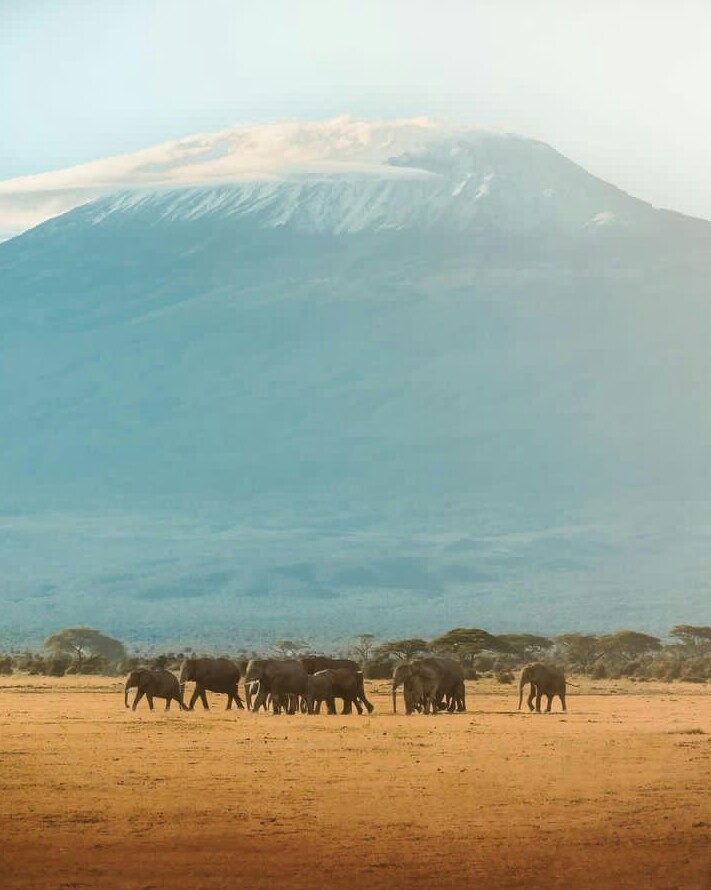
Tarangire National Park is one of northern Tanzania’s most rewarding safari destinations and is famous for its large elephant herds, ancient baobab trees, seasonal wildlife movement, and beautiful river landscapes.
The park is home to elephants, giraffes, zebras, wildebeest, buffaloes, impalas, waterbucks, warthogs, lions, leopards, cheetahs, hyenas, and many bird species. During the dry season, animals gather near the Tarangire River, creating excellent game viewing opportunities.
Visiting Tarangire on the final day of this safari gives travelers a memorable ending with beautiful scenery, relaxed game drives, and excellent wildlife encounters before returning to Arusha.
Why Choose This 6 Days Lake Manyara, Serengeti, Ngorongoro Crater and Tarangire Tanzania Safari?
- Explore four iconic destinations in Tanzania’s northern safari circuit.
- Visit Lake Manyara National Park, Serengeti National Park, Ngorongoro Crater, and Tarangire National Park.
- Spend two nights inside Serengeti National Park.
- Visit the world-famous Ngorongoro Crater.
- Search for lions, leopards, cheetahs, elephants, and many other wildlife species.
- Experience Lake Manyara’s scenic landscapes and birdlife.
- Discover Tarangire’s large elephant herds and baobab trees.
- Professional English-speaking safari guide.
- Comfortable 4x4 safari Land Cruiser with pop-up roof.
- Outstanding photography opportunities.
- Suitable for couples, families, solo travelers, and groups.
- Explore Tanzania’s most iconic northern safari destinations.
Best Time for This 6 Days Tanzania Safari
This 6 Days Lake Manyara, Serengeti, Ngorongoro Crater and Tarangire Tanzania Safari can be enjoyed throughout the year, although the dry season from June to October is especially popular for wildlife viewing. During this period, animals often gather around rivers, waterholes, and open plains, making sightings easier and photography more rewarding.
The green season from November to May offers lush landscapes, fewer crowds, fresh vegetation, newborn animals, and excellent birdwatching opportunities. This period is also ideal for travelers who enjoy beautiful scenery, peaceful safari experiences, and seasonal wildlife activity.
Short Itinerary
- Day 1 - Arusha to Lake Manyara. Game drives at Lake Manyara
- Day 2 -Transfer to Central Serengeti. Afternoon game drives in Central Serengeti
- Day 3 - Central Serengeti full day game drives
- Day 4 - Morning game drives in Central Serengeti and transfer to Ngorongoro/Karatu
- Day 5 - Ngorongoro Crater Tour (5 hours) and transfer to Karatu/Tarangire
- Day 6 -Tarangire game drives and afternoon transfer to Arusha
Basic Camping Packages
Option C1: $1,783 per adult for safari with Land Cruiser
- Stay at Migombani Campsite, Mto Wa Mbu, Lake Manyara (Outside the Park)
- Stay at Africa Safari Lake Natron Campsite, Lake Natron
- Stay at Seronera Campsite, Central Serengeti
- Stay at Ngorongoro Campsite, NCA
- Stay at Tarangire Campsite (Inside park), Tarangire (Within the Park)
Ensuite Accommodation Packages
Below are packages with a few popular ensuite options for your private tour, starting on Nov 13, 2023, in a group of two adults. Ensuite hotels are tented camps/lodges that can be inside/around national parks. You will have a private room with attached bathroom. Meals are provided by hotels.
Option E1 : $2,070 per adult for safari with Land Cruiser
- Stay at Omega View Hotel, Karatu
- Stay at Tukaone Camps, Central Serengeti
- Stay at Omega View Hotel, Karatu
Option E2 : $2,421 per adult for safari with Land Cruiser
- Stay at Migombani Cottage, Lake Manyara (Outside the Park)
- Stay at Tanzania Bush Camps, Seronera, Central Serengeti
- Stay at Rhino Lodge, NCA
- Stay at Sangaiwe Tented Lodge, Tarangire (Outside the Park)
Option E3 : $2,654 per adult for safari with Land Cruiser
- Stay at Manyara Best View Lodge - Silver Room, Lake Manyara (Outside the Park)
- Stay at Serenity Nyota Camp, Central Serengeti
- Stay at Ngorongoro Serena Safari Lodge, NCA
- Stay at Tarangire Tortilis Camp, Tarangire (Within the Park)
Option E4 : $3,421 per adult for safari with Land Cruiser
- Stay at Manyara Best View Lodge - Platinum Room, Lake Manyara (Outside the Park)
- Stay at Serengeti Serena Safari Lodge, Central Serengeti
- Stay at Sanctuary Ngorongoro Crater Camp, NCA
- Stay at Topguide Bush Camp Lolkisale, Tarangire (Within the Park)
Option E5 : $5,332 per adult for safari with Land Cruiser
- Stay at Lake Manyara KIlimamoja Lodge, Lake Manyara (Outside the Park)
- Stay at Lemala Nanyukie, Central Serengeti
- Stay at Melia Ngorongoro Lodge, NCA - Premier Room with Forest Views, NCA
- Stay at Lemala Mpingo Ridge, Tarangire (Within the Park)
Option E6 : $8,687 per adult for safari with Land Cruiser
- Stay at Lake Manyara Tree Lodge - Suite, Lake Manyara (Within the Park)
- Stay at Four Seasons Safari Lodge - Terrace Suite Water Hole View, Central Serengeti
- Stay at Ngorongoro Crater Lodge, NCA - Suite, NCA
- Stay at Sanctuary Swala Camp, Tarangire (Within the Park)
TRIP ITINERARY
Day
1
Arusha to Lake Manyara
Pick up at 8:30 AM from your hotel in Arusha and depart for Lake Manyara National Park with a picnic lunch for a full day game drive. As you enter the national park, lush forests of Acacia and Mahogany trees begin to set the mood for what is waiting ahead. The game drive will go on till evening with a small break for picnic lunch. During the game drive watch out for buffaloes, giraffes, impalas, baboons and the blue monkeys. Another spectacle of Lake Manyara National park is the tree climbing lions, however spotting them is a game of luck. In the right season, you can see the shoreline turning pink with millions of flamingos flocking there. Post the game drive, you will head back to your camp/lodge where a delicious dinner awaits you.
Day
2
Lake Manyara to Central Serengeti
After breakfast we head towards the Serengeti National Park, via the beautiful high lying farmland of Karatu and the Ngorongoro Conservation Area. Leaving the highlands behind, we descend into the heart of wild Africa - the Serengeti National Park - with its endless plains, rolling into the distance as far as the eye can see. We head to the central park area, known as the Seronera area, one of the richest wildlife habitats in the park, featuring the Seronera River, which provides a valuable water source to this area and therefore attracts wildlife well representative of most of the Serengeti's species. We arrive in time for lunch and enjoy an afternoon game drive in the Serengeti National Park.
Day
3
Central Serengeti
You can either have a relaxed breakfast and depart for full day game drives around 9:00 AM with packed lunch and return back to lodge late afternoon around 6:00 PM. Or you can depart at 6:00 AM on an early morning game drive. Later return to accommodation for breakfast and relax for a bit and depart on an afternoon game drive with packed lunch. You will explore the central portion of the Serengeti National Park today. The legendary Serengeti National Park is the most renowned safari destination for its incredible population of lions and leopards. The central portion of the Serengeti - known as Seronera area is one of the richest wildlife habitats in the park. It features the Seronera River, which provides a valuable water source to this area and therefore attracts wildlife well representative of most of the Serengeti’s species. During the off season of the migration, one must really look out for the many lion pride that thrive in this region. The interactions and survival of these lion pride provide an excellent game viewing experience all year round. Along with a picnic lunch during the full day game drive, the day will come to a close by around 5PM. The long day comes to an end with a heavy dinner and a good night’s rest in your accommodation.
Day
4
Central Serengeti to Ngorongoro
After breakfast, you will have a morning game drive in Serengeti National Park. Later depart for Ngorongoro Conservation Area with picnic lunch. Ngorongoro Crater is the largest collapsed volcanic crater in the world and fourteen kilometers of isolated natural beauty. Ngorongoro Crater is surrounded by a ring of extinct volcanoes and the floor, dotted with watering holes, shelters some 30,000 animals. The eventful day comes to an end with a heavy dinner and a good night’s rest in your accommodation.
Day
5
Ngorongoro Crater Tour (5 hours) to Tarangire
After an early breakfast, descend to the crater floor for game drive(5 hours). You can expect to see lions, elephants, Zebras, Hippos, Flamingos, Jackals, Rhinos Antelopes and many birds. The birds seen here include eagle, vulture, and flamingos in the Crater Lake, stork, bats, giant vulture, sacred ibis, kori bustard, blacksmith plover, long necked heron and the cattle eagle. Post the picnic lunch at the beautiful Hippo pool, you will begin a steep ascend to the top exit of the crater. With a 2hr drive left to your accommodation in Karatu, the day will come to a close. Freshly made delicious dinner is kept ready for you at your chosen accommodation. All these days of the safari, will have you quite tired and a good rest is essential. The next day you will begin the last leg of your safari.
Day
6
Tarangire to Arusha
The final day of your safari will begin as usual by 8:00 AM after a luscious breakfast. The destination for today is Arusha to Tarangire National Park where you will have a half day game drive. Tanzania’s third largest National park is known for its majestic baobab trees that dot the landscape, dwarfing the animals that feed beneath them. The Tarangire River is the centerpiece of this park which is famous for some of the largest herds of elephants in Africa. Here you may see lion, leopard, cheetah, lesser kudu, buffalo, Oryx, eland, giraffe and zebra. By mid afternoon, you will branch out and head towards Arusha where you will be dropped off to your preferred location by about 6PM in the evening. With an incredible experience and loads of memories to cherish, this is the time you bid goodbye to your team.
Stay Locations
- Day 1 - Karatu or Lake Manyara (Outside the Park) or Lake Manyara (Within the Park)
- Day 2 - Central Serengeti
- Day 3 - Central Serengeti
- Day 4 - Karatu or NCA
- Day 5 -Karatu or Tarangire (Within the Park) or Tarangire (Outside the Park)
Pre & Post Tour Hotels
Arusha is the base for safari tours in North Tanzania. If you need accommodation in Arusha before/after your safari tour you can check some popular hotel prices on bed and breakfast basis below.
Single Room
- - Crest Safari Lodge - USD 47
- - Kutoka Lodge - USD 64
- - Karama lodge - USD 113
- - The African Tulip - USD 149
- - Four Points by Sheraton, Arusha - Traditional queen room - USD 205
- - Elewana Arusha Coffee Lodge - Plantation room - USD 375
Double Sharing room
- - Crest Safari Lodge - USD 29
- - Kutoka Lodge - USD 49
- - Karama lodge - USD 76
- - The African Tulip - USD 112
- - Four Points by Sheraton, Arusha - Traditional queen room - USD 120
- - Elewana Arusha Coffee Lodge - Plantation room - USD 240
Triple Sharing Room
- - Crest Safari Lodge - USD 29
- - Kutoka Lodge - USD 40
- - Karama lodge - USD 73
- - The African Tulip - USD 93
- - Elewana Arusha Coffee Lodge - Plantation room - USD 180
Add-on tours in Serengeti
- Hot Air Balloon Ride: USD 540 per person
- Rhino Tracking: USD 110 per person
- Short Walking Tour (upto 4 hours): USD 45 per person
- Long Walking Tour (upto 6 hours): USD 60 per person
Add-on tours in Ndutu
- Hot Air Balloon Ride: USD 540 per person
- Short Walking Tour (upto 4 hours): USD 45 per person
- Long Walking Tour (upto 6 hours): USD 60 per person
Add-on tours near/within Ngorongoro
- Masai Village Tour: USD 25 per person
- Olduvai Gorge museum visit: USD 35 per person
- Ngorongoro Crater Rim Hike: USD 35 per person
Add-on tours in Tarangire
- Hot Air Balloon Ride: USD 540 per person
- Short Walking Tour (upto 4 hours): USD 45 per person
- Long Walking Tour (upto 6 hours): USD 60 per person
- Night Game Drives (for clients staying inside): USD 100-200 per person depending on lodge
Add-on tours in Karatu
- Coffee Plantation Tour: USD 20 per person
- Iraq Village Tour: USD 25 per person
- Endoro Falls & Elephant Caves visit: USD 35 per person
Transfers
This tour starts from Arusha. Kilimanjaro airport is the nearest international airport and Arusha airport is the nearest domestic airport.
Airport Pickup/Drop
Pickup or drop off at Arusha airport on the day of safari: No extra charge Pickup or drop off at Kilimanjaro airport on the day of safari: USD 30 per vehicle
Airport to Hotel transfers
Transfer from Arusha airport to Arusha hotel or vice versa: USD 25 per vehicle Transfer from Kilimanjaro airport to Arusha hotel or vice versa: USD 50 per vehicle
InterCity transfers
Transfer from Moshi to Arusha or vice versa: USD 100 per vehicle Transfer from Nairobi to Arusha or vice versa: USD 275 per vehicle
Flights
We do not book International Flights.
We can book local flights based on availability. Below are indicative additional costs for local flights.
Intercity Flights
- From Zanzibar to Arusha: From USD 100 per person (Morning flight)
- From Dar es salaam to Arusha: From USD 90 per person (Morning flight)
- From Arusha to Zanzibar: From USD 170 per person (Late Afternoon flight)
- From Arusha to Dar es salaam: From USD 110 per person (Late Afternoon flight)
This tour starts & ends at Arusha with road transfers between all locations. Central Serengeti is the farthest location you will be visiting in this tour and it is 7 hours from Arusha, each way. You can check about driving and flying to Serengeti here. To save drive time, you can directly fly into Central Serengeti where your safari vehicle with guide will be waiting to directly start the safari and cover other parks over the next few days making your way to Arusha by road on the last day. We will reroute the itinerary such that you cover all the parks included in the original itinerary with the same choice of accommodations & same number of nights as included in the original itinerary. This is called a Fly-in Safari
We can also reroute the itinerary such that you start with driving from Arusha on day 1 and cover other parks before you drive to Serengeti. We end the safari tour at Central Serengeti on the last day from where you can fly out to Ausha (or other cities). We will reroute the itinerary such that you cover all the parks included in the original itinerary with the same choice of accommodations & same number of nights as included in the original itinerary. This is called a Fly-out Safari.
Fly into Serengeti
- From Arusha to Central Serengeti: From USD 310 per person
- From Zanzibar to Central Serengeti: From USD 370 per person
- From Dar es Salaam to Central Serengeti: From USD 370 per person
Fly out of Serengeti
- From Central Serengeti to Arusha: From USD 200 per person
- From Central Serengeti to Zanzibar: From USD 420 per person
- From Central Serengeti to Dar es salaam: From USD 420 per person
Note 1: Rates mentioned above are indicative and subject to change based on airlines and party(group) size
Note 2: In the Fly into Serengeti rates mentioned above, in addition to airfare, above rates also include cost to send the safari landcruiser with guide a day in advance to Serengeti, in time for your arrival & additional park fees that results due to rerouting of itinerary.
Note 3: Flights into Serengeti land at around 10:30 AM and game drives can start soon after landing while flights out of Serengeti depart around 11:00 AM and game drives can be done till about 45 min before flight departure.
Meals
- Day 1 - Lunch & Dinner
- Day 2 - Breakfast, Lunch & Dinner
- Day 3 - Breakfast, Lunch & Dinner
- Day 4 - Breakfast, Lunch & Dinner
- Day 5 - Breakfast, Lunch & Dinner
- Day 6 - Breakfast & Lunch
Drive Times
- Day 1 - Arusha to Lake Manyara takes about 2.5 to 3 hours (114 km)
- Day 2 - Lake Manyara to Central Serengeti takes about 4 to 4.5 hours (192 km)
- Day 4 - Central Serengeti to NCA takes about 3 to 3.5 hours (151 km)
- Day 5 - NCA to Tarangire takes about 1.5 to 2 hours (108 km)
- Day 6 - Tarangire to Arusha takes about 2.5 to 3 hours (106 km)
Note: These are estimated drive times. Because of the traffic, location of the accommodations, and several other factors, actual drive times may vary. Driving distances are approximate and do not account for exact places.
Safari Tour Inclusions & Exclusions
Below is a clear breakdown of what is included and excluded in your Tanzania safari package. This helps you understand exactly what to expect before your journey to Serengeti, Ngorongoro, and other parks.
What’s Included in Your Safari
What’s Not Included
Safari Highlights
This 6-day Tanzania safari combines four of northern Tanzania's most remarkable destinations into one unforgettable wildlife journey. You will explore the scenic landscapes of Lake Manyara National Park, spend two nights discovering the endless plains of Serengeti National Park, experience the extraordinary wildlife of the Ngorongoro Crater, and finish your adventure among the elephants and baobab trees of Tarangire National Park.
With five nights of accommodation and carefully planned game drives, this itinerary gives you more time to explore the northern Tanzania safari circuit while enjoying different landscapes, ecosystems, wildlife habitats, and unforgettable African scenery.
Explore Lake Manyara National Park
Begin your safari with a game drive through Lake Manyara National Park, a scenic destination situated along the Great Rift Valley. The park combines groundwater forests, open grasslands, acacia woodland, wetlands, and the alkaline Lake Manyara. You may encounter elephants, giraffes, zebras, buffaloes, hippos, baboons, monkeys, warthogs, antelopes, and a wide variety of bird species.
Spend Two Nights in Serengeti National Park
One of the major advantages of this 6-day itinerary is spending two nights in the Serengeti. The additional night gives you more time for game drives and wildlife exploration across the park's vast plains, increasing your opportunities to search for lions, leopards, cheetahs, elephants, giraffes, zebras, wildebeests, buffaloes, hyenas, and other wildlife.
Experience the Great Serengeti Plains
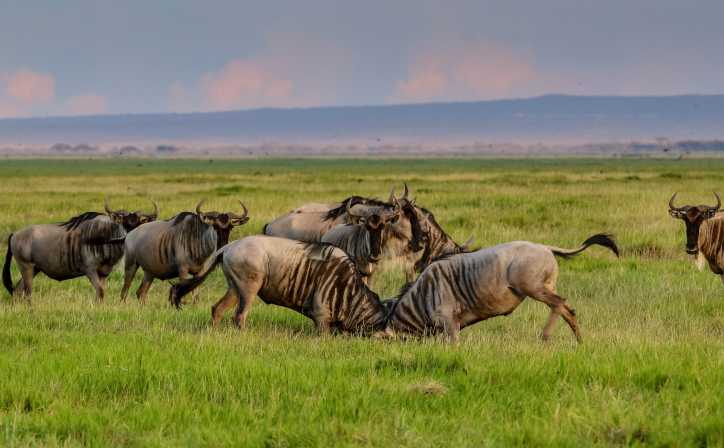
Serengeti is famous for its seemingly endless savannah plains and is an important part of the Great Wildebeest Migration ecosystem. Depending on the season and the location of the herds, you may encounter large concentrations of wildebeests and zebras, as well as predators following the movement of the grazing animals.
Discover the Ngorongoro Crater
Continue to the spectacular Ngorongoro Crater for an exciting crater game drive. The crater's enclosed ecosystem supports a remarkable variety of wildlife, including lions, elephants, buffaloes, zebras, wildebeests, hippos, hyenas, gazelles, and, with favorable conditions, the endangered black rhinoceros.
Finish with Tarangire National Park
Your safari concludes with Tarangire National Park, a destination renowned for its impressive elephant herds, ancient baobab trees, seasonal wetlands, and beautiful savannah landscapes. The Tarangire River is an important water source for wildlife, particularly during the dry season, creating excellent opportunities for game viewing.
See a Wide Variety of African Wildlife
Across the four destinations, you will have opportunities to encounter some of Tanzania's most iconic wildlife. Possible sightings include elephants, lions, leopards, cheetahs, giraffes, zebras, wildebeests, buffaloes, hippos, hyenas, gazelles, antelopes, monkeys, baboons, flamingos, and many other bird species. Wildlife sightings cannot be guaranteed because animals move freely in their natural habitats.
Experience Four Different Ecosystems
This safari is also a journey through remarkably diverse landscapes. You will move from the Great Rift Valley scenery and forests of Lake Manyara to the open plains of Serengeti, the volcanic landscape of Ngorongoro, and the baobab-dotted savannah of Tarangire. Each destination offers a different perspective of northern Tanzania.
Enjoy More Time for Wildlife Photography
The combination of full and partial game drives across four destinations provides many opportunities for photography and nature observation. From elephants standing beneath baobab trees to predators on the Serengeti plains and wildlife against the dramatic Ngorongoro landscape, the safari offers a wide range of memorable scenes.
Travel with an Experienced Safari Guide
Throughout the journey, you will be accompanied by an experienced safari guide who understands the parks, wildlife behavior, seasonal conditions, and safari routes. Your guide will help you identify animals, explain the surrounding ecosystems, and adapt game drives according to wildlife movements and current conditions.
Why This 6-Day Safari Stands Out
- Explore four iconic northern Tanzania safari destinations.
- Spend two nights in Serengeti National Park.
- Enjoy a game drive in the spectacular Ngorongoro Crater.
- Experience Lake Manyara's forests, wetlands, wildlife, and Rift Valley scenery.
- Discover Tarangire's elephants, baobab trees, and seasonal wildlife areas.
- Search for Tanzania's famous big cats and other African wildlife.
- Experience different landscapes and ecosystems within one safari.
- Enjoy excellent opportunities for wildlife photography and nature observation.
From Lake Manyara's scenic Rift Valley landscapes to the wildlife-rich Serengeti plains, the extraordinary Ngorongoro Crater, and Tarangire's elephant-filled savannah, this 6-day Tanzania safari offers a balanced combination of wildlife, landscapes, photography, and authentic northern Tanzania safari experiences.
Lake Manyara National Park Experience
Your 6-day Tanzania safari begins with an exciting visit to Lake Manyara National Park, a scenic and diverse wildlife destination located along the Great Rift Valley. Although relatively compact compared with some of Tanzania's larger parks, Lake Manyara offers a remarkable variety of landscapes, wildlife, birdlife, and natural scenery.
The park combines groundwater forests, open grasslands, acacia woodland, wetlands, lakeshore areas, and the alkaline waters of Lake Manyara. This combination creates a unique safari environment and provides a gentle introduction to the diverse ecosystems you will experience throughout northern Tanzania.
Discover the Great Rift Valley Landscape
One of the most impressive features of Lake Manyara National Park is its location beneath the Great Rift Valley escarpment. The dramatic landscape creates beautiful views throughout the park and provides a distinctive backdrop for wildlife viewing and photography.
Explore the Groundwater Forest
The groundwater forest is one of Lake Manyara's most distinctive habitats. Tall, dense vegetation provides shelter for different wildlife species and creates a cooler environment within the park. As you drive through the forest, you may encounter elephants, baboons, monkeys, birds, and other animals moving between the trees and surrounding habitats.
Wildlife Viewing at Lake Manyara
During your game drive, you may encounter elephants, giraffes, zebras, buffaloes, wildebeests, hippos, impalas, warthogs, baboons, monkeys, and other antelope species. The combination of forest, grassland, woodland, and wetland habitats means that wildlife can be found in different parts of the park.
Look Out for Tree-Climbing Lions
Lake Manyara is well known for its occasional tree-climbing lions. Seeing lions resting in the branches of trees is not guaranteed, but when conditions are right, it can be one of the most memorable wildlife encounters of the park. Your safari guide will help search suitable areas while respecting the animals and park regulations.
Birdwatching and Lake Manyara
Lake Manyara is an excellent destination for bird enthusiasts. The lake, wetlands, forest, and open habitats attract a wide variety of bird species. Depending on the season and water conditions, visitors may encounter flamingos, pelicans, storks, herons, eagles, and many other resident and migratory birds.
Enjoy the Lakeshore and Wetlands
The areas around Lake Manyara provide important habitats for water-associated wildlife and birds. Hippos may be seen around suitable water environments, while different bird species can be observed around the shoreline and wetlands. The combination of water, vegetation, and the Rift Valley escarpment creates some of the park's most scenic views.
A Relaxed Introduction to Northern Tanzania
Lake Manyara provides a different safari experience from the vast plains of the Serengeti. Its compact landscape allows you to experience several habitats within a relatively short game drive, making it an excellent first destination before continuing to the Serengeti, Ngorongoro Crater, and Tarangire.
What Makes Lake Manyara National Park Special?
- Beautiful Great Rift Valley scenery and escarpment views.
- Diverse habitats including groundwater forest, grasslands, wetlands, and woodland.
- Opportunities to see elephants, giraffes, zebras, buffaloes, hippos, and antelopes.
- Possibility of seeing the park's famous tree-climbing lions.
- Excellent birdwatching opportunities throughout the year.
- Seasonal opportunities to see flamingos and other waterbirds.
- A scenic and varied introduction to the northern Tanzania safari circuit.
The Lake Manyara National Park experience adds beautiful Rift Valley scenery, diverse habitats, abundant birdlife, and rewarding wildlife encounters to your 6-day Tanzania safari before you continue into the legendary Serengeti National Park.
Serengeti National Park Experience
The Serengeti National Park experience is the heart of this 6-day Tanzania safari. Known for its vast savannah plains, extraordinary wildlife, dramatic landscapes, and connection to the Great Wildebeest Migration, Serengeti offers an immersive African safari experience that is difficult to match.
Unlike a short visit that allows only limited time for exploration, this itinerary includes two nights in Serengeti National Park. The additional time gives you more opportunities to explore different areas, enjoy game drives, observe wildlife behavior, and appreciate the changing scenery of one of Africa's most celebrated national parks.
Two Nights in the Serengeti
Spending two nights in the Serengeti is one of the key advantages of this safari. It allows you to spend more time inside the ecosystem rather than treating Serengeti only as a transit destination. Depending on the final itinerary, seasonal conditions, and wildlife movements, your guide can use the available time to explore suitable game-viewing areas.
Explore the Endless Plains
Serengeti is famous for its expansive grasslands that stretch toward the horizon. The open plains provide spectacular scenery and excellent visibility for wildlife viewing. Rocky kopjes, acacia trees, woodland areas, and seasonal water sources add variety to the landscape and create different habitats for wildlife.
Search for the Big Cats
The Serengeti supports important populations of Africa's major predators. During your game drives, you may have opportunities to see lions, cheetahs, leopards, and spotted hyenas. Predators are often associated with areas where prey species are concentrated, and your guide will use local knowledge to search suitable locations.
Witness the Great Wildebeest Migration
The Serengeti forms a major part of the ecosystem through which the Great Wildebeest Migration moves. Millions of wildebeests, together with large numbers of zebras and other grazing animals, move through different areas of the ecosystem in response to rainfall, fresh grass, and water availability.
Because the migration is a natural and constantly moving phenomenon, its exact location changes throughout the year. Your safari guide can help you understand seasonal wildlife movements and identify the best available areas for game viewing during your visit.
Abundant Herbivores
The Serengeti's grasslands support large numbers of herbivores. Depending on the area and season, you may encounter wildebeests, zebras, gazelles, buffaloes, giraffes, elephants, and other grazing animals. These large concentrations of herbivores are an important reason why Serengeti supports such a diverse predator population.
Scenic Serengeti Kopjes
Rocky kopjes are scattered throughout parts of the Serengeti plains and provide some of the park's most recognizable scenery. These granite rock formations rise above the grasslands and can provide resting and lookout areas for wildlife. They also create excellent photographic backgrounds during game drives.
Birdlife Across the Serengeti
The Serengeti is home to a wide variety of bird species, from large birds of prey to colorful woodland and grassland species. Raptors, vultures, storks, hornbills, and many other birds may be observed during game drives, making the Serengeti experience rewarding for birdwatchers as well as big-game enthusiasts.
Flexible Game Drives
Wildlife does not follow a fixed schedule, so game drives are influenced by current conditions, animal movements, weather, road conditions, and the season. Your experienced safari guide will adapt the day's route where possible to make the most of your time in the park while following national park regulations.
Wildlife Photography Opportunities
The combination of open plains, dramatic skies, abundant wildlife, and changing landscapes creates excellent opportunities for safari photography. Whether you are photographing elephants against the savannah, zebras moving across the plains, or predators resting near rocky kopjes, the Serengeti provides countless memorable scenes.
What Makes Serengeti National Park Special?
- Two nights dedicated to exploring the Serengeti ecosystem.
- Vast open savannah plains and iconic African landscapes.
- Excellent opportunities to search for lions, cheetahs, leopards, and hyenas.
- Large populations of wildebeests, zebras, gazelles, and other herbivores.
- Part of the ecosystem supporting the Great Wildebeest Migration.
- Beautiful rocky kopjes and diverse natural habitats.
- Rich birdlife and opportunities for nature observation.
- Outstanding opportunities for wildlife and landscape photography.
With two nights in the Serengeti, this 6-day Tanzania safari gives you valuable time to explore the legendary plains, search for iconic African wildlife, and experience the landscapes and ecosystems that make Serengeti one of Tanzania's most famous safari destinations.
Ngorongoro Crater Experience
The Ngorongoro Crater is one of the most spectacular destinations on your 6-day Tanzania safari. This ancient volcanic caldera is surrounded by dramatic crater walls and contains a diverse natural ecosystem where grasslands, wetlands, woodland, and water sources support a remarkable concentration of wildlife.
Your visit to the Ngorongoro Crater gives you an opportunity to descend from the crater rim and explore the crater floor on a game drive. The combination of breathtaking scenery, abundant wildlife, and the unique geological history of the crater makes this one of the most memorable experiences on the northern Tanzania safari circuit.
Descend Into the Crater
One of the defining moments of the Ngorongoro experience is descending into the crater. As you travel down from the rim, the expansive crater floor gradually comes into view, revealing open grasslands, wetlands, woodland areas, and wildlife. The steep walls surrounding the crater create a dramatic backdrop throughout the journey.
Explore a Wildlife-Rich Ecosystem
The crater floor supports a wide variety of wildlife within a relatively compact area. During your game drive, you may encounter lions, elephants, buffaloes, zebras, wildebeests, hippos, hyenas, gazelles, and other species. The concentration of wildlife can make the crater an excellent location for a memorable game-viewing experience.
Opportunity to See the Big Five
Ngorongoro is well known for opportunities to encounter several members of Africa's Big Five. Lions, elephants, buffaloes, and rhinoceros may be seen under favorable conditions, while leopard sightings are possible but less predictable. As with all wildlife experiences, sightings depend on animal movements and natural conditions.
Look for the Endangered Black Rhinoceros
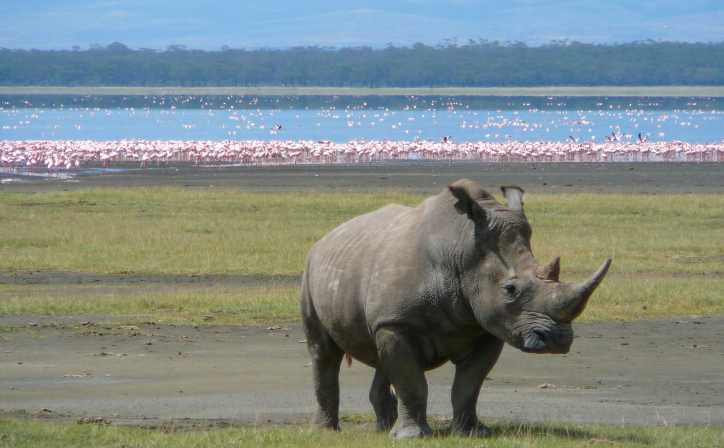
The Ngorongoro Crater is one of the places in northern Tanzania where visitors may have an opportunity to see the endangered black rhinoceros. These animals can be difficult to spot and sightings cannot be guaranteed, but observing one in its natural environment can be an exceptional safari moment.
Lake Magadi and Wetland Habitats
Lake Magadi is one of the notable features on the crater floor. The shallow lake and surrounding wetlands provide habitat for water-associated wildlife and birds. Depending on seasonal conditions, you may also see flamingos and other waterbirds around suitable areas.
Dramatic Crater Landscapes
The Ngorongoro experience is about more than wildlife. The crater walls, volcanic landscapes, open grasslands, forests, wetlands, and changing light create an impressive setting throughout the game drive. The combination of geological scenery and wildlife makes the crater particularly rewarding for photography.
Wildlife Photography Opportunities
The relatively concentrated wildlife and dramatic scenery provide many opportunities for photography. You can capture animals against the backdrop of the crater walls, observe herds moving across the grasslands, and photograph birds around wetland areas. Your guide can assist with locating suitable wildlife-viewing opportunities while following park regulations.
Discover the Natural History of Ngorongoro
The crater's landscape is the result of major volcanic and geological processes that shaped the area over millions of years. Exploring the crater therefore offers both a wildlife adventure and an opportunity to appreciate the geological history that created this unique environment.
What Makes Ngorongoro Crater Special?
- Explore one of the world's most remarkable volcanic calderas.
- Descend into the crater for a memorable wildlife game drive.
- High concentrations of wildlife within a relatively compact ecosystem.
- Opportunities to see lions, elephants, buffaloes, zebras, hippos, and hyenas.
- Possible sightings of the endangered black rhinoceros.
- Beautiful Lake Magadi, wetlands, grasslands, and crater scenery.
- Dramatic crater walls that create spectacular photographic backgrounds.
- A unique combination of geological history, wildlife, and natural scenery.
The Ngorongoro Crater experience adds an extraordinary wildlife and landscape adventure to your 6-day Tanzania safari, giving you the opportunity to explore a unique volcanic ecosystem and encounter some of northern Tanzania's most iconic wildlife before continuing to Tarangire National Park.
Ngorongoro Crater Experience
The Ngorongoro Crater is one of the most spectacular destinations on your 6-day Tanzania safari. This ancient volcanic caldera is surrounded by dramatic crater walls and contains a diverse natural ecosystem where grasslands, wetlands, woodland, and water sources support a remarkable concentration of wildlife.
Your visit to the Ngorongoro Crater gives you an opportunity to descend from the crater rim and explore the crater floor on a game drive. The combination of breathtaking scenery, abundant wildlife, and the unique geological history of the crater makes this one of the most memorable experiences on the northern Tanzania safari circuit.
Descend Into the Crater
One of the defining moments of the Ngorongoro experience is descending into the crater. As you travel down from the rim, the expansive crater floor gradually comes into view, revealing open grasslands, wetlands, woodland areas, and wildlife. The steep walls surrounding the crater create a dramatic backdrop throughout the journey.
Explore a Wildlife-Rich Ecosystem
The crater floor supports a wide variety of wildlife within a relatively compact area. During your game drive, you may encounter lions, elephants, buffaloes, zebras, wildebeests, hippos, hyenas, gazelles, and other species. The concentration of wildlife can make the crater an excellent location for a memorable game-viewing experience.
Opportunity to See the Big Five
Ngorongoro is well known for opportunities to encounter several members of Africa's Big Five. Lions, elephants, buffaloes, and rhinoceros may be seen under favorable conditions, while leopard sightings are possible but less predictable. As with all wildlife experiences, sightings depend on animal movements and natural conditions.
Look for the Endangered Black Rhinoceros
The Ngorongoro Crater is one of the places in northern Tanzania where visitors may have an opportunity to see the endangered black rhinoceros. These animals can be difficult to spot and sightings cannot be guaranteed, but observing one in its natural environment can be an exceptional safari moment.
Lake Magadi and Wetland Habitats
Lake Magadi is one of the notable features on the crater floor. The shallow lake and surrounding wetlands provide habitat for water-associated wildlife and birds. Depending on seasonal conditions, you may also see flamingos and other waterbirds around suitable areas.
Dramatic Crater Landscapes
The Ngorongoro experience is about more than wildlife. The crater walls, volcanic landscapes, open grasslands, forests, wetlands, and changing light create an impressive setting throughout the game drive. The combination of geological scenery and wildlife makes the crater particularly rewarding for photography.
Wildlife Photography Opportunities
The relatively concentrated wildlife and dramatic scenery provide many opportunities for photography. You can capture animals against the backdrop of the crater walls, observe herds moving across the grasslands, and photograph birds around wetland areas. Your guide can assist with locating suitable wildlife-viewing opportunities while following park regulations.
Discover the Natural History of Ngorongoro
The crater's landscape is the result of major volcanic and geological processes that shaped the area over millions of years. Exploring the crater therefore offers both a wildlife adventure and an opportunity to appreciate the geological history that created this unique environment.
What Makes Ngorongoro Crater Special?
- Explore one of the world's most remarkable volcanic calderas.
- Descend into the crater for a memorable wildlife game drive.
- High concentrations of wildlife within a relatively compact ecosystem.
- Opportunities to see lions, elephants, buffaloes, zebras, hippos, and hyenas.
- Possible sightings of the endangered black rhinoceros.
- Beautiful Lake Magadi, wetlands, grasslands, and crater scenery.
- Dramatic crater walls that create spectacular photographic backgrounds.
- A unique combination of geological history, wildlife, and natural scenery.
The Ngorongoro Crater experience adds an extraordinary wildlife and landscape adventure to your 6-day Tanzania safari, giving you the opportunity to explore a unique volcanic ecosystem and encounter some of northern Tanzania's most iconic wildlife before continuing to Tarangire National Park.
Tarangire National Park Experience
Your 6-day Tanzania safari concludes with an exciting visit to Tarangire National Park, one of northern Tanzania's most distinctive wildlife destinations. Famous for its large elephant herds, ancient baobab trees, seasonal wetlands, and diverse wildlife, Tarangire provides a memorable final game-viewing experience before you return to Arusha or continue to your next destination.
The park's landscape is different from the forests of Lake Manyara, the vast plains of Serengeti, and the volcanic environment of Ngorongoro. Open savannah, acacia woodland, baobab trees, seasonal swamps, and the Tarangire River create a varied environment where wildlife can be observed throughout the year.
Encounter Large Elephant Herds
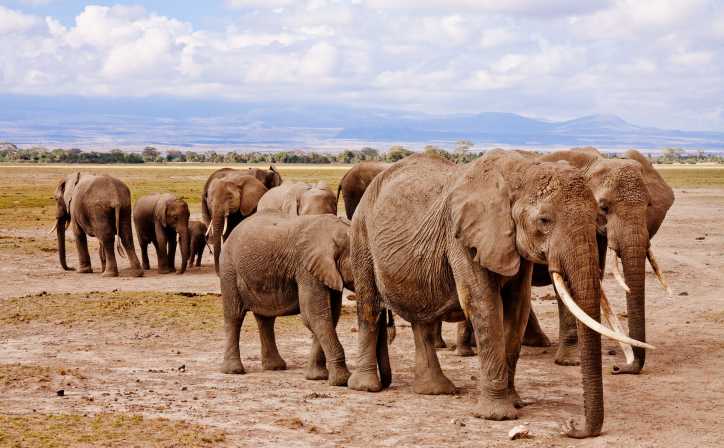
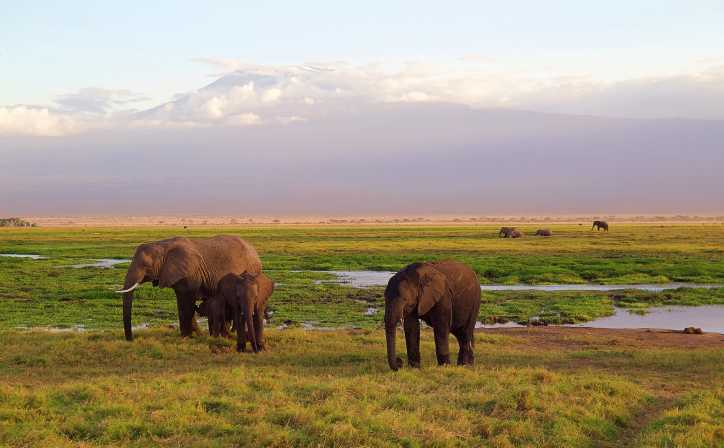
Tarangire is particularly famous for its elephants. Large herds may be seen moving through the woodland, crossing open areas, or gathering around available water sources. Observing these magnificent animals in the natural surroundings of Tarangire is one of the highlights of visiting the park.
See the Iconic Baobab Trees
The enormous baobab trees scattered across Tarangire create one of the park's most recognizable landscapes. Their unusual shapes and impressive size provide a spectacular backdrop for wildlife viewing and photography and give Tarangire a distinctive character that differs from other northern Tanzania parks.
Explore the Tarangire River
The Tarangire River is an important water source within the park. During periods when water becomes scarce elsewhere, wildlife may gather around remaining water sources, creating rewarding opportunities for game viewing. Seasonal conditions influence both the availability of water and the distribution of animals across the park.
Wildlife Beyond Elephants
Although elephants are one of Tarangire's major attractions, the park supports a wide variety of other wildlife. During your game drive, you may encounter lions, giraffes, zebras, wildebeests, buffaloes, impalas, gazelles, warthogs, and other antelope species. Predator sightings such as cheetahs and leopards are possible but cannot be guaranteed.
Discover Tarangire's Seasonal Wildlife Patterns
Wildlife distribution in Tarangire changes throughout the year. During drier periods, animals may move toward permanent or more reliable water sources, while wetter periods can spread wildlife across a wider area. Your safari guide will consider current conditions and recent wildlife movements when planning game viewing opportunities.
Enjoy Tarangire's Birdlife
Tarangire is also a rewarding destination for birdwatching. The park's combination of woodland, grassland, wetlands, and riverine habitats supports many bird species. Depending on the season, you may observe raptors, colorful woodland birds, water-associated species, and other birds throughout the game drive.
Capture Beautiful Safari Photography
The combination of elephants, baobab trees, open savannah, wildlife, and changing light creates excellent photography opportunities. Tarangire's distinctive scenery allows you to capture wildlife in settings that are visually different from the Serengeti and Ngorongoro Crater.
A Memorable Final Game Drive
Ending your 6-day safari with Tarangire provides a final opportunity to enjoy northern Tanzania's wildlife and landscapes before returning toward Arusha. The park's relaxed atmosphere, distinctive scenery, and diverse wildlife make it a rewarding conclusion to a safari that has already taken you through Lake Manyara, Serengeti, and Ngorongoro.
What Makes Tarangire National Park Special?
- Large elephant herds and excellent elephant-viewing opportunities.
- Iconic ancient baobab trees across the savannah.
- The Tarangire River and other important seasonal water sources.
- Opportunities to see lions, giraffes, zebras, wildebeests, buffaloes, and antelopes.
- Rich birdlife across woodland, grassland, and wetland habitats.
- Seasonal wildlife movements that create changing game-viewing experiences.
- Distinctive landscapes that are excellent for safari photography.
- A rewarding final wildlife experience on the northern Tanzania safari circuit.
The Tarangire National Park experience completes your 6-day Tanzania safari with elephants, baobab trees, diverse wildlife, scenic savannah, and seasonal water sources, providing a memorable final chapter to your journey through Lake Manyara, Serengeti, Ngorongoro, and Tarangire.
Wildlife You Can See on This 6-Day Tanzania Safari
This 6-day Tanzania safari takes you through Lake Manyara National Park, Serengeti National Park, the Ngorongoro Crater, and Tarangire National Park, creating opportunities to encounter a remarkable variety of wildlife. Each destination has different habitats, seasonal conditions, and wildlife patterns, making every game drive a new opportunity to discover Tanzania's natural world.
Wildlife sightings depend on the season, weather, habitat, and natural movements of animals. No sighting can be guaranteed, but your experienced safari guide will use local knowledge and current conditions to identify promising areas and maximize your opportunities for memorable wildlife encounters.
Elephants
Elephants are among the most impressive animals you may encounter during this safari. Tarangire National Park is particularly well known for its elephant herds, while elephants can also be found in Lake Manyara, Serengeti, and the Ngorongoro ecosystem. Seeing a large herd moving through the savannah or woodland can be an unforgettable safari experience.
Lions
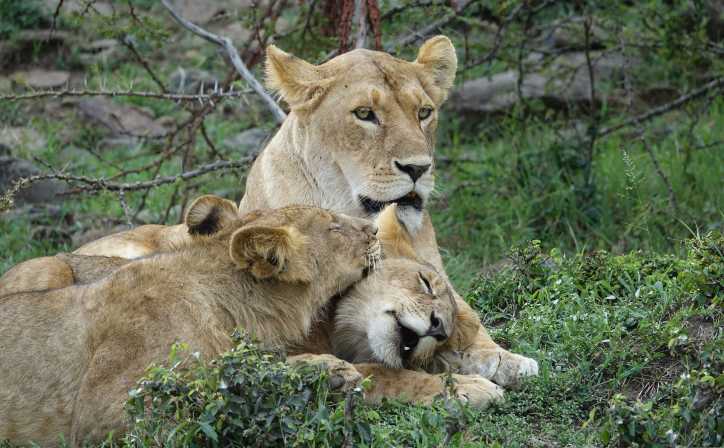
Lions are among the most iconic predators of northern Tanzania. The Serengeti and Ngorongoro Crater offer important habitats for these big cats, while Lake Manyara is also known for occasional sightings of lions resting in trees. Your guide will carefully search suitable habitats while respecting wildlife and park regulations.
Leopards
Leopards are present in the Serengeti ecosystem and other suitable habitats across northern Tanzania. Their solitary nature and excellent camouflage can make them challenging to spot. With patience and favorable conditions, you may see one resting in a tree, moving through woodland, or observing the surrounding plains.
Cheetahs
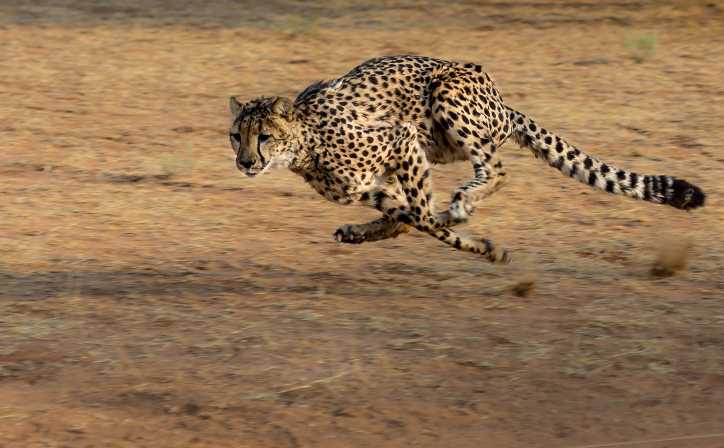
The open grasslands of Serengeti provide suitable habitat for cheetahs. These specialized predators may be seen scanning the plains, resting in open areas, or moving through the grasslands. Sightings depend on location, season, and natural animal movements.
Giraffes
Giraffes are an important part of the northern Tanzania safari experience and may be encountered in several destinations on this itinerary. Their tall silhouettes against the savannah, woodland, or Rift Valley scenery create excellent opportunities for wildlife photography.
Zebras
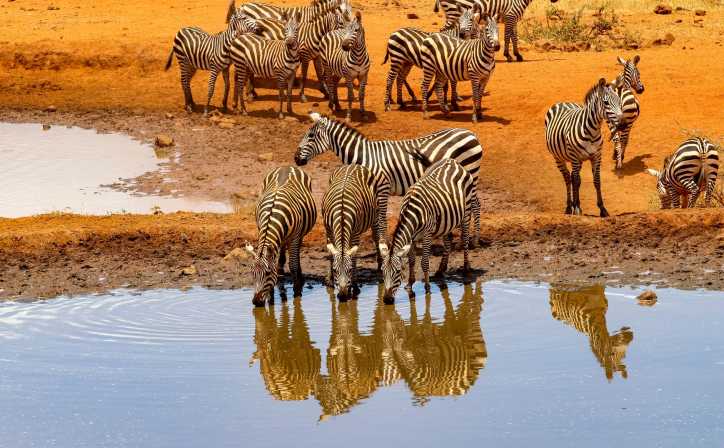
Zebras are commonly encountered in open grasslands across the safari circuit. They may be seen individually or in groups and are often found alongside wildebeests and other grazing animals, particularly in the Serengeti ecosystem.
Wildebeests
Wildebeests are one of the most important grazing species in the Serengeti ecosystem. They form a major part of the Great Wildebeest Migration and may be encountered in different numbers depending on the time of year and location of the herds.
Buffaloes
African buffaloes can be found in several of the destinations included in this safari. They often move in herds through grasslands, woodland, and areas close to water. Their impressive size and group behavior make them a memorable part of wildlife viewing.
Hippopotamuses
Hippos can be observed in suitable water environments, particularly around lakes, wetlands, and other permanent or seasonal water sources. Lake Manyara and the Ngorongoro ecosystem can provide opportunities to observe these large semi-aquatic animals.
Hyenas
Spotted hyenas are important predators and scavengers within the Serengeti and Ngorongoro ecosystems. They may be encountered moving across open plains, near wildlife concentrations, or around areas where other predators are active.
Antelopes and Other Herbivores
Throughout the safari, you may encounter a variety of antelope and other herbivore species, including impalas, gazelles, waterbucks, bushbucks, warthogs, and other animals adapted to Tanzania's diverse habitats.
Baboons and Monkeys
The forested and woodland environments of Lake Manyara and other areas of northern Tanzania provide opportunities to observe primates. Baboons and different monkey species may be seen moving through forests, along roadsides, or around suitable feeding areas.
Flamingos and Waterbirds
The lakes and wetlands included in this safari attract a variety of water-associated birds. Depending on seasonal conditions, you may encounter flamingos, pelicans, storks, herons, and other bird species around Lake Manyara, the Ngorongoro Crater, and other suitable wetland habitats.
Birdlife Across the Safari
Birdwatching is an important part of the safari experience, with hundreds of bird species found across northern Tanzania. Forests, wetlands, lakes, grasslands, and woodland areas each support different bird communities, giving bird enthusiasts many opportunities for observation and photography.
Wildlife Highlights at a Glance
- Elephants: Particularly notable in Tarangire National Park.
- Lions: Strong opportunities in Serengeti and Ngorongoro.
- Leopards: Possible sightings, especially in Serengeti.
- Cheetahs: Particularly associated with the open Serengeti plains.
- Giraffes: Found across several northern Tanzania habitats.
- Zebras: Frequently seen across open grasslands and savannah.
- Wildebeests: A major species of the Serengeti ecosystem.
- Buffaloes: Found in several destinations along the safari route.
- Hippos: Found around suitable lakes and wetland habitats.
- Hyenas: Important predators and scavengers in the ecosystem.
- Antelopes: Including gazelles, impalas, waterbucks, and other species.
- Primates: Including baboons and different monkey species.
- Birds: A wide variety of resident and seasonal species.
From elephants and big cats to zebras, wildebeests, giraffes, buffaloes, hippos, antelopes, primates, and colorful birdlife, this 6-day Tanzania safari offers diverse opportunities to experience wildlife across four remarkable northern Tanzania destinations.
What to Expect on This 6-Day Tanzania Safari
This 6-day Tanzania safari is designed to give you a balanced experience across four of northern Tanzania's most famous wildlife destinations. You will travel through Lake Manyara National Park, Serengeti National Park, the Ngorongoro Crater, and Tarangire National Park while enjoying game drives, changing landscapes, comfortable accommodation, and the guidance of an experienced safari team.
Every safari day is different because wildlife movements, weather, road conditions, and seasonal changes can influence the experience. Your guide will help you make the most of each destination while keeping the itinerary practical and enjoyable.
Early Starts on Some Safari Days
Safari days often begin relatively early, especially when an early morning game drive provides a good opportunity to observe active wildlife. Starting early can also help you enjoy cooler temperatures and quieter conditions before the middle of the day.
Daily Game Drives
Game drives are the main activity throughout this safari. You will travel in a safari vehicle with large windows and viewing areas that allow you to observe and photograph wildlife. The exact duration and route of each game drive can vary according to the day's itinerary, park regulations, weather, and wildlife movements.
Different Landscapes Every Day
One of the highlights of this itinerary is the changing scenery. Lake Manyara offers Rift Valley views, forests, wetlands, and lakeshore environments. Serengeti introduces vast open plains, while Ngorongoro offers dramatic volcanic scenery. Tarangire then adds baobab trees, woodland, and savannah landscapes.
Two Nights in Serengeti
You will spend two nights in the Serengeti, giving you more time to experience this famous ecosystem. Rather than making Serengeti only a quick stop between destinations, the additional night allows more time for game drives and wildlife observation.
Wildlife Sightings Are Natural and Unpredictable
Animals live freely in their natural habitats and do not follow a fixed schedule. You may experience moments when wildlife is very active as well as quieter periods. Your guide will use experience, local knowledge, and current conditions to search for promising wildlife-viewing areas, but specific animal sightings cannot be guaranteed.
Comfortable Safari Accommodation
At the end of each safari day, you will have time to relax at your selected lodge, tented camp, or other safari accommodation. Accommodation arrangements depend on the package and availability and are selected according to your preferred accommodation category.
Meals During the Safari
Meals are arranged according to the safari package you book. Depending on the itinerary and accommodation, meals may include breakfast, lunch, and dinner. Packed lunches may also be prepared on days when you spend extended periods inside the national parks.
Longer Travel Distances
Northern Tanzania is a large safari region, and some days involve several hours of driving between destinations. These journeys are part of the safari experience and provide opportunities to see changing rural landscapes, local communities, and the countryside between the national parks.
An Experienced Local Safari Guide
Your safari guide will be an important part of the experience. The guide will provide information about wildlife, landscapes, local culture, conservation, and the different ecosystems you encounter. They will also help coordinate daily activities and make practical decisions based on conditions in the parks.
Time for Photography and Relaxation
There will be opportunities to photograph wildlife, landscapes, birds, and other memorable moments throughout the journey. Between game drives, you will also have time to rest at your accommodation, enjoy meals, and prepare for the next stage of the safari.
A Flexible Safari Experience
Although the safari follows a planned itinerary, some details may need to be adjusted because of weather, road conditions, park regulations, accommodation availability, or wildlife movements. Any necessary adjustments are made with the goal of maintaining a safe, comfortable, and enjoyable safari experience.
In Simple Terms, You Can Expect:
- Four iconic northern Tanzania wildlife destinations.
- Two nights exploring the Serengeti ecosystem.
- Daily opportunities for game drives and wildlife viewing.
- Changing landscapes from Rift Valley scenery to savannah plains and volcanic terrain.
- Comfortable safari accommodation according to your selected package.
- Professional guidance from an experienced local safari guide.
- Opportunities for wildlife and landscape photography.
- Some early mornings and longer driving distances between destinations.
- A flexible itinerary that can respond to natural safari conditions.
Overall, this 6-day Tanzania safari is an opportunity to slow down, explore, observe wildlife in its natural environment, and experience the remarkable variety of northern Tanzania through four different destinations in one journey.
What to Expect on This 6-Day Tanzania Safari
This 6-day Tanzania safari is designed to give you a balanced experience across four of northern Tanzania's most famous wildlife destinations. You will travel through Lake Manyara National Park, Serengeti National Park, the Ngorongoro Crater, and Tarangire National Park while enjoying game drives, changing landscapes, comfortable accommodation, and the guidance of an experienced safari team.
Every safari day is different because wildlife movements, weather, road conditions, and seasonal changes can influence the experience. Your guide will help you make the most of each destination while keeping the itinerary practical and enjoyable.
Early Starts on Some Safari Days
Safari days often begin relatively early, especially when an early morning game drive provides a good opportunity to observe active wildlife. Starting early can also help you enjoy cooler temperatures and quieter conditions before the middle of the day.
Daily Game Drives
Game drives are the main activity throughout this safari. You will travel in a safari vehicle with large windows and viewing areas that allow you to observe and photograph wildlife. The exact duration and route of each game drive can vary according to the day's itinerary, park regulations, weather, and wildlife movements.
Different Landscapes Every Day
One of the highlights of this itinerary is the changing scenery. Lake Manyara offers Rift Valley views, forests, wetlands, and lakeshore environments. Serengeti introduces vast open plains, while Ngorongoro offers dramatic volcanic scenery. Tarangire then adds baobab trees, woodland, and savannah landscapes.
Two Nights in Serengeti
You will spend two nights in the Serengeti, giving you more time to experience this famous ecosystem. Rather than making Serengeti only a quick stop between destinations, the additional night allows more time for game drives and wildlife observation.
Wildlife Sightings Are Natural and Unpredictable
Animals live freely in their natural habitats and do not follow a fixed schedule. You may experience moments when wildlife is very active as well as quieter periods. Your guide will use experience, local knowledge, and current conditions to search for promising wildlife-viewing areas, but specific animal sightings cannot be guaranteed.
Comfortable Safari Accommodation
At the end of each safari day, you will have time to relax at your selected lodge, tented camp, or other safari accommodation. Accommodation arrangements depend on the package and availability and are selected according to your preferred accommodation category.
Meals During the Safari
Meals are arranged according to the safari package you book. Depending on the itinerary and accommodation, meals may include breakfast, lunch, and dinner. Packed lunches may also be prepared on days when you spend extended periods inside the national parks.
Longer Travel Distances
Northern Tanzania is a large safari region, and some days involve several hours of driving between destinations. These journeys are part of the safari experience and provide opportunities to see changing rural landscapes, local communities, and the countryside between the national parks.
An Experienced Local Safari Guide
Your safari guide will be an important part of the experience. The guide will provide information about wildlife, landscapes, local culture, conservation, and the different ecosystems you encounter. They will also help coordinate daily activities and make practical decisions based on conditions in the parks.
Time for Photography and Relaxation
There will be opportunities to photograph wildlife, landscapes, birds, and other memorable moments throughout the journey. Between game drives, you will also have time to rest at your accommodation, enjoy meals, and prepare for the next stage of the safari.
A Flexible Safari Experience
Although the safari follows a planned itinerary, some details may need to be adjusted because of weather, road conditions, park regulations, accommodation availability, or wildlife movements. Any necessary adjustments are made with the goal of maintaining a safe, comfortable, and enjoyable safari experience.
In Simple Terms, You Can Expect:
- Four iconic northern Tanzania wildlife destinations.
- Two nights exploring the Serengeti ecosystem.
- Daily opportunities for game drives and wildlife viewing.
- Changing landscapes from Rift Valley scenery to savannah plains and volcanic terrain.
- Comfortable safari accommodation according to your selected package.
- Professional guidance from an experienced local safari guide.
- Opportunities for wildlife and landscape photography.
- Some early mornings and longer driving distances between destinations.
- A flexible itinerary that can respond to natural safari conditions.
Overall, this 6-day Tanzania safari is an opportunity to slow down, explore, observe wildlife in its natural environment, and experience the remarkable variety of northern Tanzania through four different destinations in one journey.
Best Time to Visit for This 6-Day Tanzania Safari
This 6-day Tanzania safari can be enjoyed throughout the year, but the best time to visit depends on what you want to experience. Northern Tanzania has different seasonal patterns that influence rainfall, vegetation, road conditions, wildlife movements, and the overall safari atmosphere.
Because this itinerary includes Lake Manyara, Serengeti, Ngorongoro Crater, and Tarangire, you can experience rewarding wildlife viewing in different seasons. Your preferred travel dates can therefore be planned around general wildlife viewing conditions, the Great Wildebeest Migration, weather preferences, or travel budget.
June to October – Dry Season
June through October is generally considered one of the most popular periods for a Tanzania safari. Rainfall is usually lower, vegetation can be less dense, and wildlife may become easier to locate around remaining water sources. These conditions can create excellent game-viewing opportunities across Serengeti, Ngorongoro, and Tarangire.
This period can also be attractive for travelers who prefer drier weather and comfortable conditions for spending time on game drives. However, popular parks can be busier during peak travel periods, so early planning is recommended.
November to December – Short Rains
The short-rain period can bring fresh vegetation and greener landscapes to northern Tanzania. Rainfall is often seasonal and can occur in shorter periods, although weather patterns vary from year to year.
The greener scenery can create beautiful photographic conditions, while wildlife remains present across the parks. This period can also be a good choice for travelers looking for a balance between safari experience, seasonal scenery, and potentially lower visitor numbers than the busiest periods.
January to February – Green Season
January and February can offer beautiful green landscapes and good wildlife viewing across northern Tanzania. The timing and location of the Great Wildebeest Migration vary, but this period is often associated with the southern Serengeti ecosystem and the calving season when conditions are favorable.
Travelers interested in seeing young wildebeests and experiencing the predator-prey dynamics associated with the calving period may consider this season. Exact wildlife locations depend on rainfall, grass conditions, and natural animal movements.
March to May – Long Rains
March through May is generally the long-rain period in northern Tanzania. Rainfall can be heavier and more frequent, and some roads may become challenging depending on local conditions. However, the landscape can be exceptionally green and photographic, with fewer visitors in many areas.
This season may suit travelers who enjoy lush landscapes, quieter safari conditions, and potentially lower travel costs. Weather can be less predictable, so travelers should be prepared for changing conditions.
Best Time for the Great Wildebeest Migration
The Great Wildebeest Migration is a natural year-round movement rather than a single event occurring on one fixed date. The herds move between different areas of the Serengeti ecosystem depending on rainfall, fresh grass, and water availability.
If seeing the migration is a major priority, your travel dates should be planned according to the particular stage and location you hope to experience. Even then, wildlife movements cannot be guaranteed because nature does not follow a fixed timetable.
Best Time for Wildlife Viewing
For travelers primarily interested in traditional game viewing, the dry season from June to October is often a strong choice because reduced vegetation and concentration around water sources can make animals easier to locate. Serengeti and Ngorongoro can provide excellent wildlife experiences during this period, while Tarangire can be particularly rewarding when wildlife gathers around water.
Best Time for Photography
Photography can be rewarding throughout the year. Dry-season landscapes can offer clear visibility and dramatic golden grasslands, while the green season brings fresh vegetation, vibrant scenery, and dramatic skies. The best photographic conditions ultimately depend on the type of scenery and wildlife moments you want to capture.
Best Time for Budget-Conscious Travelers
Travelers looking to manage safari costs may consider periods outside the busiest peak season. Prices and availability vary according to accommodation, travel dates, and demand, so it is worth discussing your preferred dates with your safari operator before booking.
Seasonal Guide at a Glance
- June–October: Dry conditions, strong wildlife viewing, and one of the most popular safari periods.
- November–December: Greener landscapes and seasonal short rains.
- January–February: Green scenery and potential opportunities around the southern Serengeti calving season.
- March–May: Long rains, lush landscapes, fewer visitors in many areas, and more variable road conditions.
There is no single perfect month for every traveler. The best time for your 6-day Tanzania safari depends on whether you prioritize wildlife viewing, the Great Wildebeest Migration, green landscapes, photography, fewer visitors, or travel value. Macpace Tours & Safaris can help you choose suitable travel dates based on your preferred safari experience.
What to Pack for This 6-Day Tanzania Safari
Packing appropriately can make your 6-day Tanzania safari more comfortable and enjoyable. You will experience different environments, temperatures, and weather conditions while traveling between Lake Manyara, Serengeti, Ngorongoro Crater, and Tarangire National Park.
The key is to pack practical, lightweight items that can be used during game drives, at your accommodation, and while traveling between destinations. Weather conditions can change depending on the season and altitude, particularly around the Ngorongoro Highlands.
Lightweight Safari Clothing
Pack comfortable, lightweight clothing that allows you to move easily and remain comfortable during long game drives. Neutral and natural colors are practical for safari environments, especially when spending time outdoors.
- Lightweight shirts and T-shirts.
- Comfortable long-sleeved shirts.
- Lightweight trousers or safari pants.
- Comfortable shorts for warmer periods.
- A light fleece or sweater for cooler mornings and evenings.
- A warm layer or jacket for cooler areas around Ngorongoro.
Comfortable Footwear
Comfortable footwear is useful even though much of the safari is experienced from the vehicle. Choose practical shoes that are suitable for short walks around your accommodation and general outdoor activities.
- Comfortable walking shoes or lightweight hiking shoes.
- Sandals or comfortable open footwear for relaxing at your accommodation.
- Extra socks for the safari days.
Sun Protection
Northern Tanzania can have strong sunlight, particularly during daytime game drives. Sun protection is therefore an important part of your safari packing list.
- Wide-brimmed hat or safari hat.
- UV-protection sunglasses.
- High-SPF sunscreen.
- Lightweight long-sleeved clothing for additional sun protection.
Camera and Photography Equipment
With four major wildlife destinations included, you will have many opportunities to photograph animals, landscapes, birds, and memorable safari moments.
- Camera or smartphone with a good camera.
- Extra memory cards.
- Spare batteries or a reliable power bank.
- Camera charger and necessary cables.
- Telephoto lens if you use a dedicated camera.
Binoculars
A pair of binoculars can make your safari more enjoyable by allowing you to observe distant wildlife and birds more clearly. They are particularly useful for spotting animals across the open Serengeti plains.
Personal Essentials
Bring the everyday personal items you may need throughout the six-day journey. Keeping them organized in a small day bag can make it easier to access important items during game drives.
- Personal toiletries.
- Reusable water bottle.
- Small daypack.
- Travel documents and identification.
- Phone and charging cable.
- Small flashlight or headlamp.
- Insect repellent.
Rain Protection
Weather can change depending on the season, so carrying basic rain protection is recommended. A lightweight waterproof jacket can be useful during unexpected showers, especially during the wetter months.
- Lightweight waterproof jacket.
- Small umbrella if preferred.
- Waterproof bag or protective cover for electronics and cameras.
For Early Morning Game Drives
Some safari activities may begin early in the morning when temperatures can be cooler than during the afternoon. Wearing layers makes it easier to adjust your clothing as temperatures change throughout the day.
Important Travel Documents
Keep important documents accessible and protected during your trip.
- Valid passport.
- Visa or travel authorization where applicable.
- Travel insurance documents.
- Safari booking confirmation.
- Emergency contact information.
- Copies of important travel documents stored securely.
Simple Safari Packing Checklist
- Lightweight and comfortable clothing.
- Warm jacket or fleece for cool mornings and Ngorongoro.
- Comfortable walking shoes.
- Hat and sunglasses.
- Sunscreen and insect repellent.
- Camera, batteries, and memory cards.
- Binoculars.
- Reusable water bottle.
- Power bank and charging cables.
- Small daypack.
- Rain jacket.
- Passport and essential travel documents.
Pack light, practical, and according to the season. The most important things are comfortable clothing, suitable footwear, sun protection, warm layers, photography equipment, personal essentials, and your travel documents. This will help you stay comfortable while exploring Lake Manyara, Serengeti, Ngorongoro, and Tarangire.
What to Pack for This 6-Day Tanzania Safari
Packing appropriately can make your 6-day Tanzania safari more comfortable and enjoyable. You will experience different environments, temperatures, and weather conditions while traveling between Lake Manyara, Serengeti, Ngorongoro Crater, and Tarangire National Park.
The key is to pack practical, lightweight items that can be used during game drives, at your accommodation, and while traveling between destinations. Weather conditions can change depending on the season and altitude, particularly around the Ngorongoro Highlands.
Lightweight Safari Clothing
Pack comfortable, lightweight clothing that allows you to move easily and remain comfortable during long game drives. Neutral and natural colors are practical for safari environments, especially when spending time outdoors.
- Lightweight shirts and T-shirts.
- Comfortable long-sleeved shirts.
- Lightweight trousers or safari pants.
- Comfortable shorts for warmer periods.
- A light fleece or sweater for cooler mornings and evenings.
- A warm layer or jacket for cooler areas around Ngorongoro.
Comfortable Footwear
Comfortable footwear is useful even though much of the safari is experienced from the vehicle. Choose practical shoes that are suitable for short walks around your accommodation and general outdoor activities.
- Comfortable walking shoes or lightweight hiking shoes.
- Sandals or comfortable open footwear for relaxing at your accommodation.
- Extra socks for the safari days.
Sun Protection
Northern Tanzania can have strong sunlight, particularly during daytime game drives. Sun protection is therefore an important part of your safari packing list.
- Wide-brimmed hat or safari hat.
- UV-protection sunglasses.
- High-SPF sunscreen.
- Lightweight long-sleeved clothing for additional sun protection.
Camera and Photography Equipment
With four major wildlife destinations included, you will have many opportunities to photograph animals, landscapes, birds, and memorable safari moments.
- Camera or smartphone with a good camera.
- Extra memory cards.
- Spare batteries or a reliable power bank.
- Camera charger and necessary cables.
- Telephoto lens if you use a dedicated camera.
Binoculars
A pair of binoculars can make your safari more enjoyable by allowing you to observe distant wildlife and birds more clearly. They are particularly useful for spotting animals across the open Serengeti plains.
Personal Essentials
Bring the everyday personal items you may need throughout the six-day journey. Keeping them organized in a small day bag can make it easier to access important items during game drives.
- Personal toiletries.
- Reusable water bottle.
- Small daypack.
- Travel documents and identification.
- Phone and charging cable.
- Small flashlight or headlamp.
- Insect repellent.
Rain Protection
Weather can change depending on the season, so carrying basic rain protection is recommended. A lightweight waterproof jacket can be useful during unexpected showers, especially during the wetter months.
- Lightweight waterproof jacket.
- Small umbrella if preferred.
- Waterproof bag or protective cover for electronics and cameras.
For Early Morning Game Drives
Some safari activities may begin early in the morning when temperatures can be cooler than during the afternoon. Wearing layers makes it easier to adjust your clothing as temperatures change throughout the day.
Important Travel Documents
Keep important documents accessible and protected during your trip.
- Valid passport.
- Visa or travel authorization where applicable.
- Travel insurance documents.
- Safari booking confirmation.
- Emergency contact information.
- Copies of important travel documents stored securely.
Simple Safari Packing Checklist
- Lightweight and comfortable clothing.
- Warm jacket or fleece for cool mornings and Ngorongoro.
- Comfortable walking shoes.
- Hat and sunglasses.
- Sunscreen and insect repellent.
- Camera, batteries, and memory cards.
- Binoculars.
- Reusable water bottle.
- Power bank and charging cables.
- Small daypack.
- Rain jacket.
- Passport and essential travel documents.
Pack light, practical, and according to the season. The most important things are comfortable clothing, suitable footwear, sun protection, warm layers, photography equipment, personal essentials, and your travel documents. This will help you stay comfortable while exploring Lake Manyara, Serengeti, Ngorongoro, and Tarangire.
Why Book With Macpace Tours & Safaris?
Choosing the right safari company can make a major difference to your Tanzania travel experience. Macpace Tours & Safaris focuses on creating well-organized, comfortable, and memorable safari experiences while helping travelers discover Tanzania's wildlife, landscapes, and natural attractions with confidence.
From the moment you begin planning your trip to the final day of your safari, our team works to provide clear communication, practical travel information, reliable arrangements, and personal support throughout your journey.
Local Tanzania Safari Knowledge
Our safari planning is built around knowledge of Tanzania's northern safari destinations, including Lake Manyara, Serengeti, Ngorongoro, and Tarangire. Understanding the different parks, routes, seasons, accommodation areas, and wildlife environments helps us create practical itineraries for different types of travelers.
Carefully Planned Safari Itineraries
This 6-day itinerary is designed to combine four major northern Tanzania destinations without making the experience unnecessarily complicated. The route allows you to experience Lake Manyara, spend two nights in Serengeti, explore the Ngorongoro Crater, and finish with Tarangire National Park.
Experienced Safari Guides
Your safari guide plays an important role in your experience. Our guides are expected to provide useful information about wildlife, landscapes, local environments, and conservation while helping you make the most of your game drives.
Personalized Safari Planning
Every traveler has different interests, travel dates, accommodation preferences, and budget considerations. Where possible, safari arrangements can be discussed and adjusted to suit your needs, subject to park regulations, availability, logistics, and the selected package.
Clear and Practical Communication
We believe travelers should understand what they are booking before they begin their journey. Our team provides important information about the itinerary, accommodation, inclusions, exclusions, meals, transportation, and other relevant arrangements so you can prepare with greater confidence.
Focus on Your Safari Experience
A Tanzania safari is more than simply moving between national parks. We aim to create an experience where you have time to observe wildlife, appreciate the landscapes, take photographs, learn about the environment, and enjoy the journey between destinations.
Comfortable Safari Transportation
Safari transportation is an important part of the journey because game drives and transfers can involve several hours on the road. Safari arrangements are planned around suitable vehicles and practical routes to provide a comfortable base for wildlife viewing and travel between destinations.
Support Before and During Your Safari
Our relationship with travelers does not end when the booking is made. We provide communication and support during the planning process and help coordinate the arrangements required for your safari so that you can focus on enjoying Tanzania.
Flexible Accommodation Options
Accommodation preferences can differ from one traveler to another. Depending on availability and the package selected, travelers may have options ranging from budget-friendly camping to comfortable mid-range lodges and tented camps or higher-end safari accommodation.
Responsible Approach to Wildlife Tourism
We encourage responsible behavior around wildlife and natural environments. Safari activities are conducted with respect for park regulations, wildlife, local communities, and the ecosystems that make Tanzania's safari destinations special.
Value for Your Safari Investment
Our goal is to provide a safari experience that balances itinerary quality, accommodation, transportation, wildlife opportunities, and overall comfort. The focus is on creating meaningful travel experiences rather than simply adding destinations to an itinerary.
Why Travelers Choose Macpace Tours & Safaris
- Local knowledge of Tanzania's major safari destinations.
- Well-planned northern Tanzania safari itineraries.
- Experienced safari guides and professional trip coordination.
- Clear information about safari arrangements.
- Accommodation options for different travel preferences.
- Opportunities to customize selected safari arrangements.
- Support throughout the safari planning process.
- Focus on wildlife, scenery, comfort, and memorable experiences.
- Commitment to responsible and respectful wildlife tourism.
Ready to Experience Northern Tanzania?
If you are looking for a well-rounded Tanzania safari covering Lake Manyara, Serengeti, Ngorongoro Crater, and Tarangire, this 6-day itinerary offers an excellent combination of wildlife, landscapes, game drives, and time in some of the country's most celebrated natural destinations.
Contact Macpace Tours & Safaris to confirm your preferred travel dates, accommodation category, and safari arrangements, then start planning your 6-day Tanzania safari adventure.